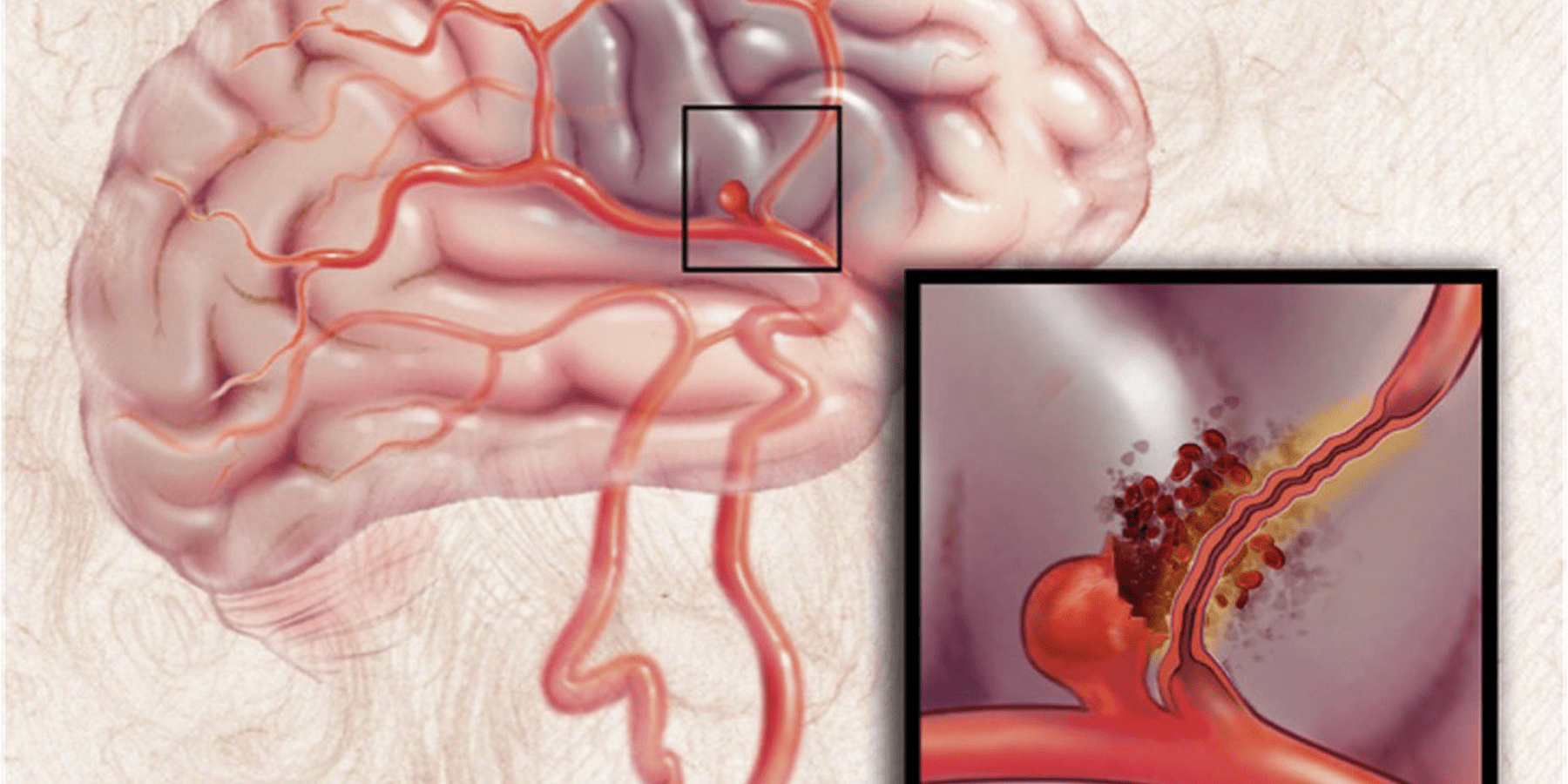
At Dr. Ahmed El-Ghoul’s clinic, we offer the latest surgical solutions for treating cerebral aneurysms and arteriovenous malformations with high precision and advanced techniques to ensure the best outcomes while preserving neurological function.
Cerebral vascular surgeries are extremely delicate procedures. These surgeries are particularly challenging because cerebral arteries and veins are often located deep within the brain and close to highly sensitive centers, the brainstem, and cranial nerves. Due to the complexity of these operations, they must be performed using advanced technologies in hospitals equipped with the latest surgical tools, and by a highly skilled and coordinated surgical team with specialized experience in such cases.
Among the technological tools we use for our patients to achieve optimal results: the surgical microscope, which is used for clipping cerebral aneurysms, resecting arteriovenous malformations, and removing cerebral vascular hamartomas that may cause drug-resistant seizures in some patients.
It is important to note that rapid intervention is critical in these cases, as delays or hesitation may severely impact the patient and put their life at serious risk.
Why choose Dr. Ahmed El-Ghoul for cerebral aneurysm clipping or arteriovenous malformation resection?
Experience: Extensive practical and academic expertise in complex brain and neurosurgical procedures
Medical team: A highly coordinated, professional team including surgeons and anesthesiologists
Modern techniques: We use the latest global devices to ensure precision, safety, and excellent outcomes
Comprehensive 24/7 care: From diagnosis to post-operative follow-up until full recovery, God willing
Proven results: High success rates with minimized post-surgical complications, keeping pace with global recovery standards
If you experience any of the following symptoms, do not hesitate to consult Dr. Ahmed El-Ghoul:
Sudden severe headache described by the patient as the worst in their life
Sudden and severe decline in consciousness, which may progress to deep coma
Recurrent seizures or drug-resistant epilepsy
Weakness in vision or double vision
Balance disorders or difficulty walking